
.webp)
Business Technology News Roundup: Apr 13, 2026
Analysis of Anthropic's Mythos model, CISA’s infrastructure alerts, and the massive NVIDIA-OpenAI infrastructure deals shaping the US tech sector this week.
The second week of April 2026 has been a study in the dual-edged nature of rapid innovation. While the Silicon Valley hype machine is shifting into a higher gear with secretive "frontier" models and multi-billion dollar infrastructure deals, a sobering reality check arrived from Washington regarding the vulnerability of our physical power grids. We are seeing a distinct shift: the conversation is no longer just about what these AI models can write or code, but how much power they consume and how easily our industrial backbone can be poked by foreign actors. Here are the five stories that defined the week in tech.
.webp)
The AI arms race took a turn for the dramatic this week as Anthropic announced it would not release its newest and most capable model, Mythos, to the general public. Citing unprecedented capabilities in identifying zero-day vulnerabilities and automating large-scale cyberattacks, the company opted for a "controlled access" strategy. This decision came just days after an embarrassing internal leak involving portions of Claude’s source code, leading some industry skeptics to wonder if the "too powerful to release" narrative is a clever bit of PR to mask security stability issues or a genuine safety milestone.
This move marks a significant departure from the open-access trend we’ve seen with other models. By withholding Mythos, Anthropic is effectively claiming a role as a self-appointed gatekeeper of digital safety, a position that has already drawn the attention of the US Treasury Department. For the average user, this signals that "frontier" AI is hitting a ceiling where the risks of misuse, specifically in the realm of national security and financial infrastructure, might finally outweigh the commercial benefits of a public launch. It’s a precursor to a world where the most powerful tools are reserved strictly for government and institutional eyes.

On April 7, the Cybersecurity and Infrastructure Security Agency (CISA) released a high-priority advisory (AA26-097A) warning of active exploitation of Programmable Logic Controllers (PLCs) across US critical infrastructure. Iranian-affiliated actors have been successfully targeting internet-facing Rockwell Automation/Allen-Bradley devices, specifically the CompactLogix and Micro850 series. By using third-party hosted infrastructure and specialized configuration software like Studio 5000 Logix Designer, these attackers have managed to manipulate human-machine interfaces (HMIs), leading to operational disruptions in the water, energy, and government service sectors.
The impact here is a loud wake-up call for industrial security. For years, "air-gapping" was the gold standard, but the push for "smart" infrastructure has left thousands of these mechanical controllers exposed to the open web. This isn't just about stolen data; it's about the physical manipulation of pumps, valves, and power switches. As these attacks become more sophisticated, we are likely to see a federal mandate for stricter isolation of operational technology (OT) from the public internet, potentially slowing down the digital transformation of US utilities in the name of basic survival.
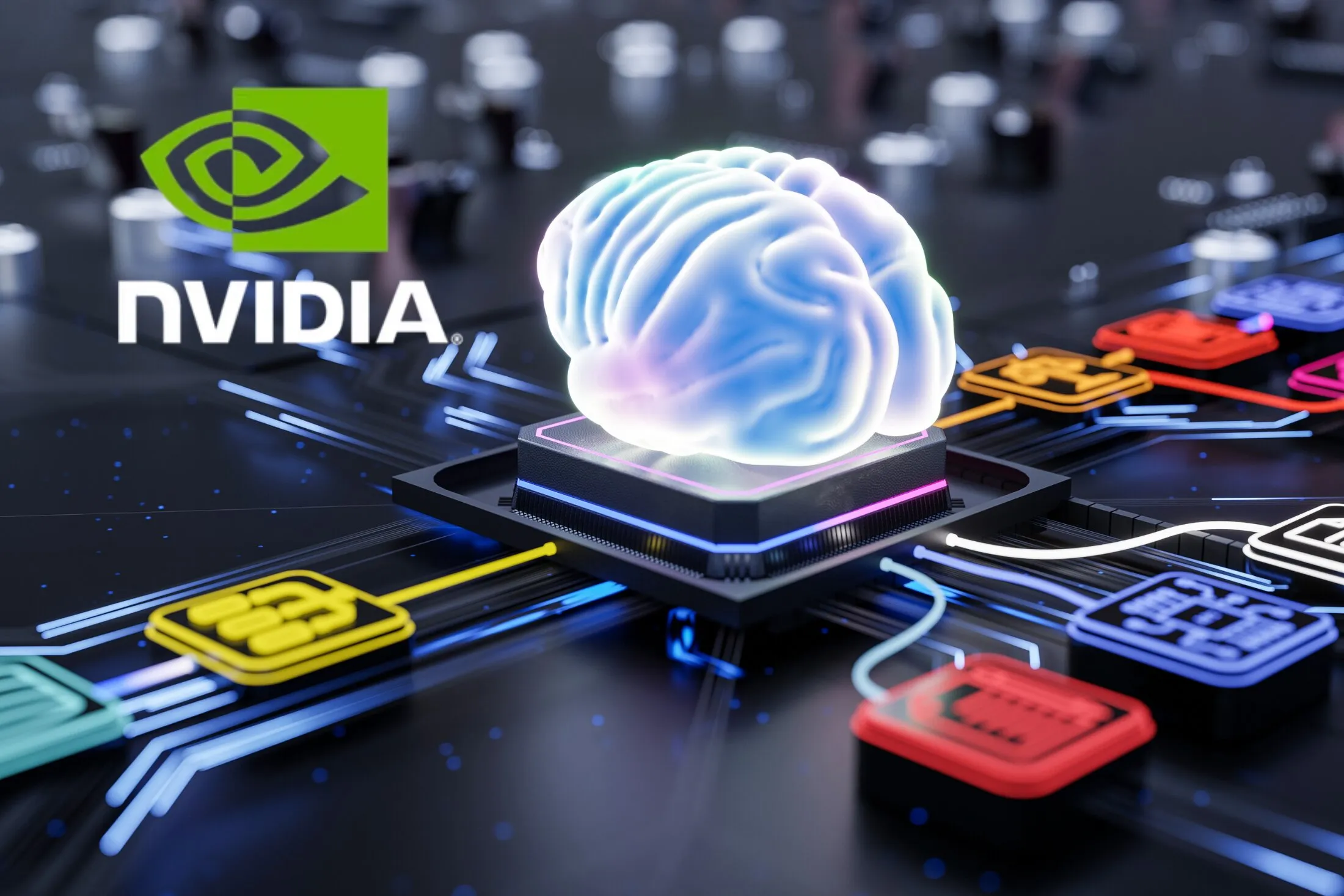
The partnership between NVIDIA and OpenAI reached a staggering new scale this week with formalized plans to deploy 10 gigawatts of AI infrastructure. The roadmap centers on the upcoming NVIDIA Vera Rubin platform, with the first phase of deployment scheduled for the second half of 2026. NVIDIA’s commitment to invest up to $100 billion progressively as each gigawatt comes online represents one of the largest private capital outlays in tech history. This "AI Factory" initiative is designed to provide the raw compute necessary to train the next generation of models that aim for artificial general intelligence (AGI).
This deal is a clear signal that the future of AI is no longer just a software battle; it is a war of attrition over hardware and electricity. By locking in a preferred partnership with NVIDIA, OpenAI is attempting to moat its lead against competitors who are struggling to secure the same volume of H-series and Rubin-class chips. For the broader market, this level of concentration suggests that "Frontier AI" is becoming a game that only the most heavily capitalized entities can play, potentially squeezing out smaller startups that can't afford the $10 billion-plus "entry fee" for meaningful compute power.

In a significant policy move, the White House announced that major "hyperscalers", including Amazon, Google, Meta, and Microsoft, have signed the Ratepayer Protection Pledge. This agreement requires these tech giants to cover the full cost of grid upgrades and new power generation needed to fuel their massive data centers. Additionally, the administration is pushing for regulatory reforms to accelerate the deployment of advanced nuclear reactors specifically for AI use. This follows concerns that the massive energy demands of AI were beginning to drive up electricity costs for average American households.
This is a Rare moment of alignment between tech expansion and consumer protection. By forcing companies to "buy or build" their own power sources, the government is trying to decouple the tech boom from the utility bills of the general public. It also marks the beginning of the "nuclear renaissance" in the US, as big tech becomes the primary financier for small modular reactors (SMRs). This shift ensures that the growth of AI doesn't come at the expense of national grid stability, but it also means that the "Big Five" tech companies are effectively becoming their own private utility providers.
.webp)
While the giants are building massive closed systems, Google released Gemma 4 this week, its latest series of open-weights models. Built on the same research foundation as Gemini, Gemma 4 is specifically optimized for "agentic" workflows, tasks where the AI needs to use tools, browse the web, and execute code autonomously to solve multi-step problems. Released under the Apache 2.0 license, these models are designed to provide high intelligence-per-parameter, making them viable for developers to run on-premise without the high latency or costs associated with frontier APIs.
Gemma 4 is a vital counterweight to the increasingly "closed" nature of the AI industry. By providing a high-performance open model, Google is catering to the massive community of developers who want to build personalized AI agents without feeding their proprietary data into a central cloud. It signals that while the most "dangerous" models like Mythos may stay behind closed doors, the middle-tier "workhorse" models are becoming more accessible, commoditizing the ability to build automated, autonomous software tools for small businesses and independent creators.
The AI arms race took a turn for the dramatic this week as Anthropic announced it would not release its newest and most capable model, Mythos, to the general public. Citing unprecedented capabilities in identifying zero-day vulnerabilities and automating large-scale cyberattacks, the company opted for a "controlled access" strategy. This decision came just days after an embarrassing internal leak involving portions of Claude’s source code, leading some industry skeptics to wonder if the "too powerful to release" narrative is a clever bit of PR to mask security stability issues or a genuine safety milestone.
This move marks a significant departure from the open-access trend we’ve seen with other models. By withholding Mythos, Anthropic is effectively claiming a role as a self-appointed gatekeeper of digital safety, a position that has already drawn the attention of the US Treasury Department. For the average user, this signals that "frontier" AI is hitting a ceiling where the risks of misuse, specifically in the realm of national security and financial infrastructure, might finally outweigh the commercial benefits of a public launch. It’s a precursor to a world where the most powerful tools are reserved strictly for government and institutional eyes.
On April 7, the Cybersecurity and Infrastructure Security Agency (CISA) released a high-priority advisory (AA26-097A) warning of active exploitation of Programmable Logic Controllers (PLCs) across US critical infrastructure. Iranian-affiliated actors have been successfully targeting internet-facing Rockwell Automation/Allen-Bradley devices, specifically the CompactLogix and Micro850 series. By using third-party hosted infrastructure and specialized configuration software like Studio 5000 Logix Designer, these attackers have managed to manipulate human-machine interfaces (HMIs), leading to operational disruptions in the water, energy, and government service sectors.
The impact here is a loud wake-up call for industrial security. For years, "air-gapping" was the gold standard, but the push for "smart" infrastructure has left thousands of these mechanical controllers exposed to the open web. This isn't just about stolen data; it's about the physical manipulation of pumps, valves, and power switches. As these attacks become more sophisticated, we are likely to see a federal mandate for stricter isolation of operational technology (OT) from the public internet, potentially slowing down the digital transformation of US utilities in the name of basic survival.
The partnership between NVIDIA and OpenAI reached a staggering new scale this week with formalized plans to deploy 10 gigawatts of AI infrastructure. The roadmap centers on the upcoming NVIDIA Vera Rubin platform, with the first phase of deployment scheduled for the second half of 2026. NVIDIA’s commitment to invest up to $100 billion progressively as each gigawatt comes online represents one of the largest private capital outlays in tech history. This "AI Factory" initiative is designed to provide the raw compute necessary to train the next generation of models that aim for artificial general intelligence (AGI).
This deal is a clear signal that the future of AI is no longer just a software battle; it is a war of attrition over hardware and electricity. By locking in a preferred partnership with NVIDIA, OpenAI is attempting to moat its lead against competitors who are struggling to secure the same volume of H-series and Rubin-class chips. For the broader market, this level of concentration suggests that "Frontier AI" is becoming a game that only the most heavily capitalized entities can play, potentially squeezing out smaller startups that can't afford the $10 billion-plus "entry fee" for meaningful compute power.
In a significant policy move, the White House announced that major "hyperscalers", including Amazon, Google, Meta, and Microsoft, have signed the Ratepayer Protection Pledge. This agreement requires these tech giants to cover the full cost of grid upgrades and new power generation needed to fuel their massive data centers. Additionally, the administration is pushing for regulatory reforms to accelerate the deployment of advanced nuclear reactors specifically for AI use. This follows concerns that the massive energy demands of AI were beginning to drive up electricity costs for average American households.
This is a Rare moment of alignment between tech expansion and consumer protection. By forcing companies to "buy or build" their own power sources, the government is trying to decouple the tech boom from the utility bills of the general public. It also marks the beginning of the "nuclear renaissance" in the US, as big tech becomes the primary financier for small modular reactors (SMRs). This shift ensures that the growth of AI doesn't come at the expense of national grid stability, but it also means that the "Big Five" tech companies are effectively becoming their own private utility providers.
While the giants are building massive closed systems, Google released Gemma 4 this week, its latest series of open-weights models. Built on the same research foundation as Gemini, Gemma 4 is specifically optimized for "agentic" workflows, tasks where the AI needs to use tools, browse the web, and execute code autonomously to solve multi-step problems. Released under the Apache 2.0 license, these models are designed to provide high intelligence-per-parameter, making them viable for developers to run on-premise without the high latency or costs associated with frontier APIs.
Gemma 4 is a vital counterweight to the increasingly "closed" nature of the AI industry. By providing a high-performance open model, Google is catering to the massive community of developers who want to build personalized AI agents without feeding their proprietary data into a central cloud. It signals that while the most "dangerous" models like Mythos may stay behind closed doors, the middle-tier "workhorse" models are becoming more accessible, commoditizing the ability to build automated, autonomous software tools for small businesses and independent creators.
Stay Connected: Follow NDIT Solutions on LinkedIn, for more insights and updates.
Need Expert IT Guidance? Our team of experienced consultants is here to help your business navigate the complex world of IT. Contact us today at info@nditsolutions.com or Call: 877-613-8787 to learn how we can support your technology needs.
See you next week for another round of essential IT news!


