
.webp)
Business Technology News Roundup: Dec 12, 2025
Catch up on the biggest tech stories: OpenAI releases the new GPT-5.2 "Agent" model, the EU and US clash on AI governance, a major healthcare ransomware spree, new hardware from HPE and AMD, and the impact of the React2Shell vulnerability's global exploitation.
Welcome back to your Monday tech briefing!
The week of December 8th, 2025, wasn't just about iteration; it was about transformation. The biggest news came from the Artificial Intelligence arena, where the focus officially moved from simple chatbots to autonomous agents—AI capable of completing multi-step professional tasks. This shift carries immense implications for every business workflow.
On the regulatory front, the world's major powers signaled very different approaches to governing this powerful technology, creating a complex landscape for international companies. Meanwhile, the healthcare sector faced another stark reminder of its vulnerability, with a serious, targeted ransomware campaign.

OpenAI made headlines with the urgent, unscheduled launch of GPT-5.2, defining it as the "world's most advanced model for professional work." This release marks a significant milestone, transitioning their flagship technology from a chat interface to a fully-fledged AI Agent.
The model boasts several key advancements:
Autonomous Knowledge Work: Reports show GPT-5.2 performing complex tasks—from generating detailed reports to executing multi-step coding changes—with a high success rate compared to human experts.
Massive Context Window: The ability to process up to 250,000 tokens means it can structurally understand and reference content from large documents, like entire legal contracts or detailed engineering manuals, without losing track.
Enterprise Focus: This model targets the enterprise market, offering tools to streamline production planning, advanced quality control, and sophisticated data analysis, promising a reduction of 40-60 minutes per day for heavy corporate users. This development fundamentally changes the roadmap for enterprise AI adoption.
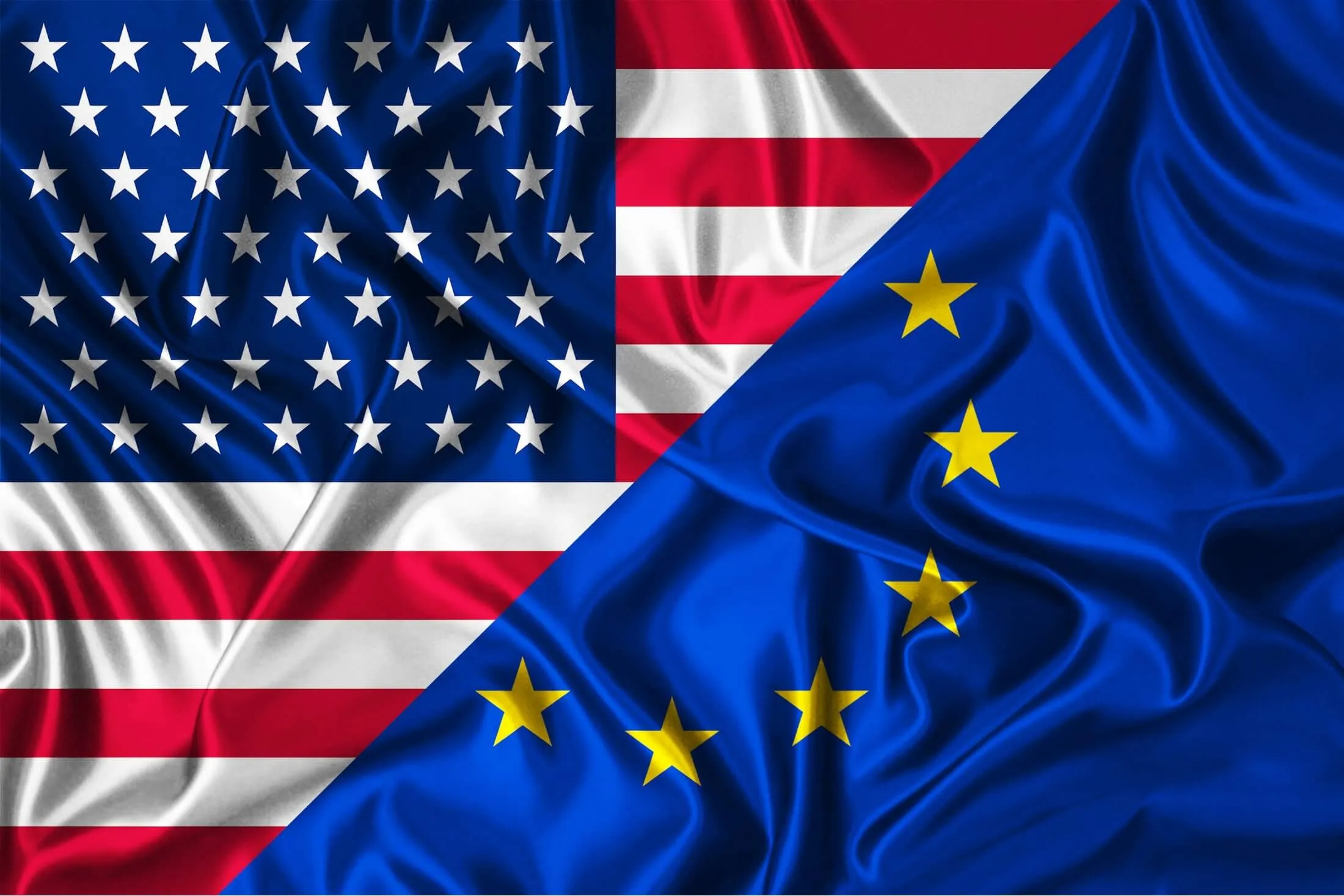
The world's approach to AI regulation is splitting, creating potential friction for international businesses.
Europe's AI Act Maturing: The European Union continued its roll-out of the AI Act, with guidelines for General Purpose AI (GPAI) models becoming applicable. The EU's focus remains on a risk-based approach, heavily emphasizing transparency, labeling for AI-generated content (deepfakes), and systemic risk mitigation for large models.
US Executive Order: Simultaneously, the US administration announced an Executive Order aiming to curb state-level AI regulations that conflict with a national policy framework. The goal is to prevent a patchwork of state laws from undermining the growth of AI and high-speed network deployments.
For companies operating across both regions, the difference is clear: the EU favors explicit top-down governance, while the US favors a unified national framework to foster innovation and limit fragmented state rules.

The cybersecurity landscape delivered another grim warning, specifically targeting the highly sensitive healthcare sector. Tri-Century Eye Care was hit by the Pear ransomware group, resulting in a data breach affecting approximately 200,000 individuals.
The attackers claimed to have stolen over 3TB of data, including names, dates of birth, Social Security numbers, and detailed medical information. Crucially, the public release of the stolen data indicates the organization refused to pay the ransom. This breach highlights the persistent, aggressive targeting of healthcare providers, not just for financial data, but for comprehensive personal and medical records, making strong third-party and data exfiltration defenses non-negotiable.
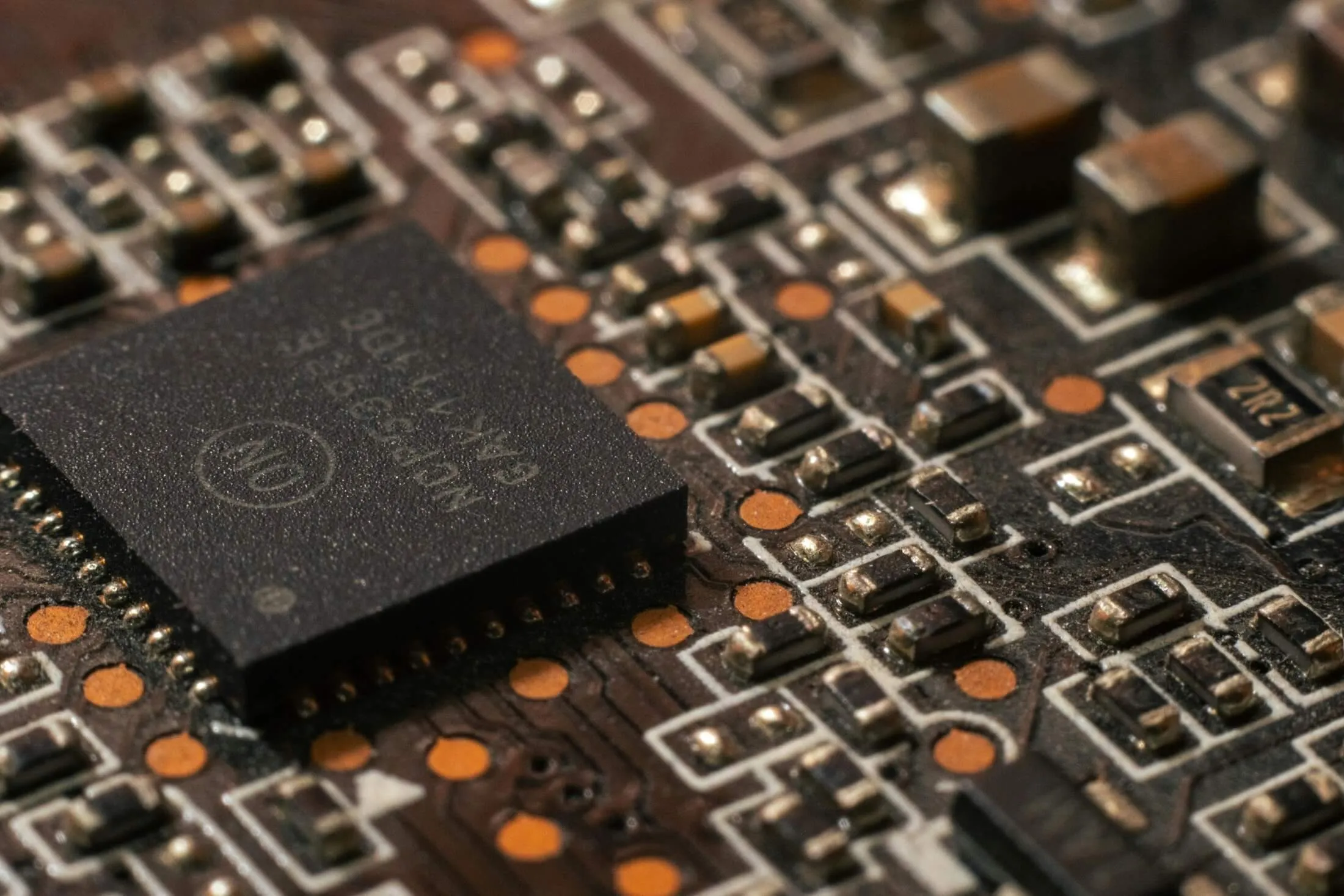
The infrastructure arms race continued to heat up with a significant announcement from Hewlett Packard Enterprise (HPE). HPE is deploying large clusters of high-performance servers, utilizing AMD's powerful Venice CPUs and high-density GPUs (likely the Instinct line) to create new "Helios racks."
This deployment is aimed squarely at the high-end AI model training market, offering immense GPU density and computational power. It signals the continuing maturation of AMD's competition with Nvidia in the specialized AI silicon space. For consultancies and their clients, this means more hardware options for building custom, highly efficient private AI environments, offering better performance for deep learning tasks than general-purpose cloud CPUs.

Following the initial discovery of the critical 'React2Shell' vulnerability (CVE-2025-55182) last week, the threat profile has escalated. Security researchers confirmed that opportunistic attackers are now actively weaponizing the flaw to deploy large-scale Mirai and RondoDox botnet payloads.
The attacks are no longer just targeting large corporate web applications; they have spread to vulnerable smart home devices, routers, NAS devices, and IoT systems that use the affected components. This transition from targeted espionage to mass-market botnet recruitment means the vulnerability is being used to build massive denial-of-service (DDoS) infrastructure. The immediate patching urgency has officially expanded beyond software development teams to encompass IT operations responsible for connected infrastructure.
OpenAI made headlines with the urgent, unscheduled launch of GPT-5.2, defining it as the "world's most advanced model for professional work." This release marks a significant milestone, transitioning their flagship technology from a chat interface to a fully-fledged AI Agent.
The model boasts several key advancements:
Autonomous Knowledge Work: Reports show GPT-5.2 performing complex tasks—from generating detailed reports to executing multi-step coding changes—with a high success rate compared to human experts.
Massive Context Window: The ability to process up to 250,000 tokens means it can structurally understand and reference content from large documents, like entire legal contracts or detailed engineering manuals, without losing track.
Enterprise Focus: This model targets the enterprise market, offering tools to streamline production planning, advanced quality control, and sophisticated data analysis, promising a reduction of 40-60 minutes per day for heavy corporate users. This development fundamentally changes the roadmap for enterprise AI adoption.
The world's approach to AI regulation is splitting, creating potential friction for international businesses.
Europe's AI Act Maturing: The European Union continued its roll-out of the AI Act, with guidelines for General Purpose AI (GPAI) models becoming applicable. The EU's focus remains on a risk-based approach, heavily emphasizing transparency, labeling for AI-generated content (deepfakes), and systemic risk mitigation for large models.
US Executive Order: Simultaneously, the US administration announced an Executive Order aiming to curb state-level AI regulations that conflict with a national policy framework. The goal is to prevent a patchwork of state laws from undermining the growth of AI and high-speed network deployments.
For companies operating across both regions, the difference is clear: the EU favors explicit top-down governance, while the US favors a unified national framework to foster innovation and limit fragmented state rules.
The cybersecurity landscape delivered another grim warning, specifically targeting the highly sensitive healthcare sector. Tri-Century Eye Care was hit by the Pear ransomware group, resulting in a data breach affecting approximately 200,000 individuals.
The attackers claimed to have stolen over 3TB of data, including names, dates of birth, Social Security numbers, and detailed medical information. Crucially, the public release of the stolen data indicates the organization refused to pay the ransom. This breach highlights the persistent, aggressive targeting of healthcare providers, not just for financial data, but for comprehensive personal and medical records, making strong third-party and data exfiltration defenses non-negotiable.
The infrastructure arms race continued to heat up with a significant announcement from Hewlett Packard Enterprise (HPE). HPE is deploying large clusters of high-performance servers, utilizing AMD's powerful Venice CPUs and high-density GPUs (likely the Instinct line) to create new "Helios racks."
This deployment is aimed squarely at the high-end AI model training market, offering immense GPU density and computational power. It signals the continuing maturation of AMD's competition with Nvidia in the specialized AI silicon space. For consultancies and their clients, this means more hardware options for building custom, highly efficient private AI environments, offering better performance for deep learning tasks than general-purpose cloud CPUs.
Following the initial discovery of the critical 'React2Shell' vulnerability (CVE-2025-55182) last week, the threat profile has escalated. Security researchers confirmed that opportunistic attackers are now actively weaponizing the flaw to deploy large-scale Mirai and RondoDox botnet payloads.
The attacks are no longer just targeting large corporate web applications; they have spread to vulnerable smart home devices, routers, NAS devices, and IoT systems that use the affected components. This transition from targeted espionage to mass-market botnet recruitment means the vulnerability is being used to build massive denial-of-service (DDoS) infrastructure. The immediate patching urgency has officially expanded beyond software development teams to encompass IT operations responsible for connected infrastructure.
Stay Connected: Follow NDIT Solutions on LinkedIn, for more insights and updates.
Need Expert IT Guidance? Our team of experienced consultants is here to help your business navigate the complex world of IT. Contact us today at info@nditsolutions.com or call 877-613-8787 to learn how we can support your technology needs.
See you next week for another round of essential IT news!


