
.webp)
Business Technology News Roundup: Jan 09, 2026
Detailed analysis of the top 5 tech stories from Jan 5-9, 2026. NVIDIA's 3nm Rubin platform, Uber’s luxury Lucid robotaxis, and the EU’s push for open-source sovereignty.
The Monday Brief: 5 Tech Stories You Can’t Miss This Week
The first full week of 2026 proved that the "AI summer" isn't cooling down, it’s just getting more physical. At CES in Las Vegas, the conversation shifted from simple chatbots to "Physical AI" and massive infrastructure. Meanwhile, in Europe, the focus turned toward protecting the digital borders we all live within.
Here are the five most significant developments from January 5th to 9th.

The biggest news out of CES 2026 was undoubtedly NVIDIA’s official launch of the Rubin platform, the successor to the already-dominant Blackwell architecture. Named after astronomer Vera Rubin, this platform is a radical "extreme co-design" of six different chips, including a new Vera CPU with 88 custom "Olympus" ARM cores and a Rubin GPU built on TSMC’s 3nm process.
The Details: Rubin is the first to utilize HBM4 memory, providing a staggering 22 TB/s of bandwidth. NVIDIA claims this will lead to a 10x reduction in the cost of generating AI "tokens," making massive-scale models significantly cheaper to run.
Why It Matters: Jensen Huang is positioning Rubin as the foundation for "Agentic AI" systems that don't just chat but can reason, plan, and execute multi-step tasks autonomously. This hardware is the engine that will likely power the next generation of autonomous digital workers.
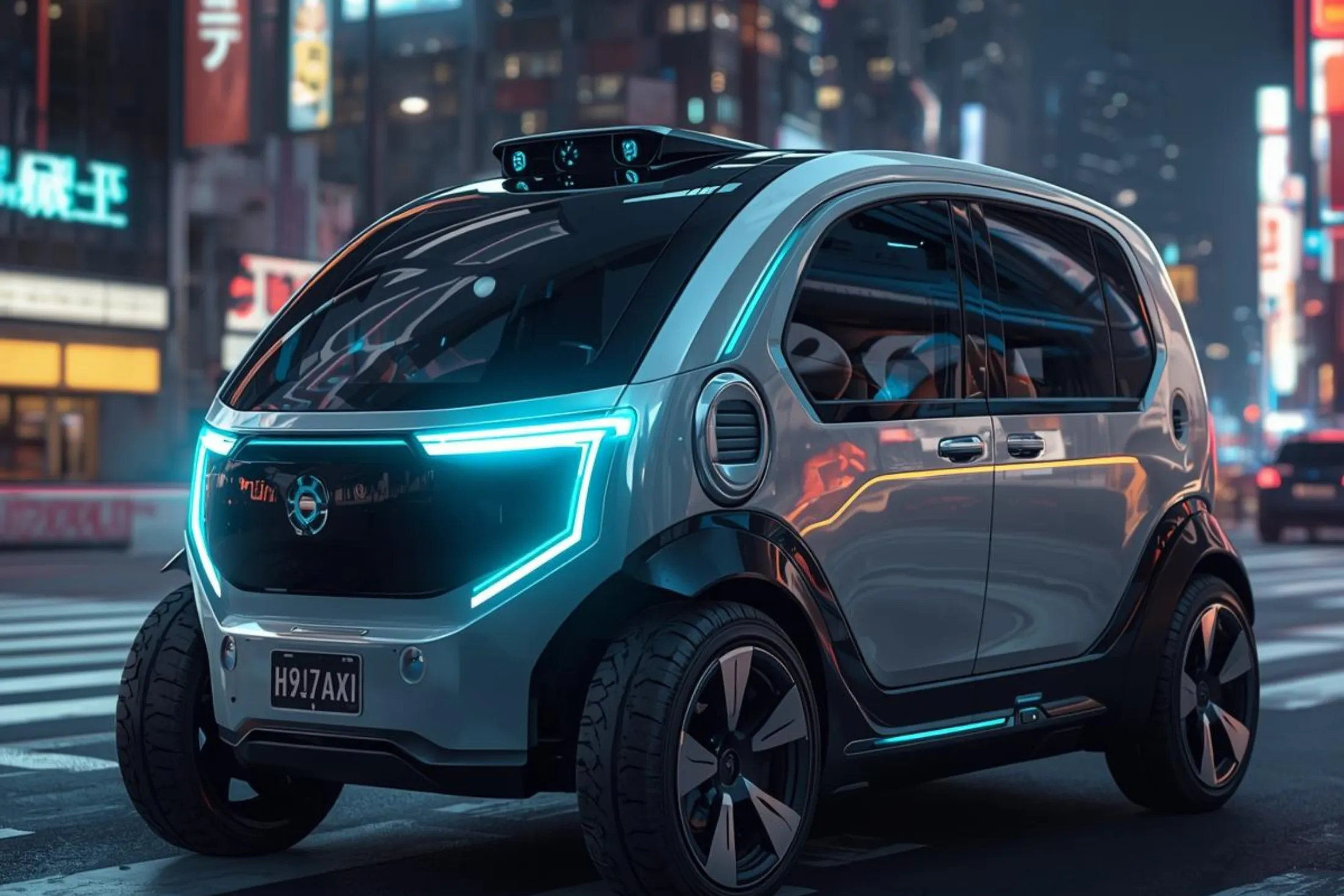
Uber is making a high-stakes return to autonomous driving through a triple-threat partnership with Lucid Motors and Nuro. At CES, they unveiled a production-intent robotaxi based on the Lucid Gravity SUV. Unlike the utilitarian shuttles of the past, this is a premium experience designed to carry up to six passengers in high-end comfort.
The Features: The vehicle features a "Halo" LED strip on the roof that displays the rider’s initials for easy identification. Inside, passengers have full control via interactive screens to adjust climate, lighting, and music. Most interestingly, a real-time "visualization" screen shows passengers exactly what the car's 360-degree sensor suite is seeing, from pedestrians to traffic lights.
Next Steps: Autonomous on-road testing is already underway in the San Francisco Bay Area. If the final validation goes well, these vehicles will begin rolling out to the public later this year.

On January 6th, the UK government launched a massive Cyber Action Plan to safeguard essential public services. Backed by £210 million, the plan is a direct response to the increasing sophistication of AI-driven cyber threats that target critical infrastructure like healthcare, energy, and tax systems.
A New Watchdog: The centerpiece of the plan is a new Government Cyber Unit designed to oversee risk management across all departments. For the first time, essential suppliers (like water and data center providers) will be held to much stricter reporting standards and "minimum security" requirements.
The Economic Angle: The UK believes that by securing these systems and reducing the downtime caused by attacks, they can unlock nearly £45 billion in public sector productivity. It’s a clear sign that cybersecurity is no longer just "IT work"—it’s national economic policy.

The European Commission kicked off the year by opening a major "call for evidence" for its European Open Digital Ecosystem Strategy. The initiative aims to break the EU’s heavy reliance on non-European (mostly US-based) tech giants for cloud computing, AI, and hardware.
The Goal: The EU wants to leverage its massive community of open-source developers to build a "sovereign" tech stack. By funding open-source alternatives for critical sectors like automotive and manufacturing, the Commission hopes to increase "user agency" and transparency.
The Challenge: While 70-90% of global code is open-source, the economic value is currently captured by a few dominant players. This strategy, expected to lead to a formal communication in late Q1 2026, seeks to keep that value—and the data—within European borders.
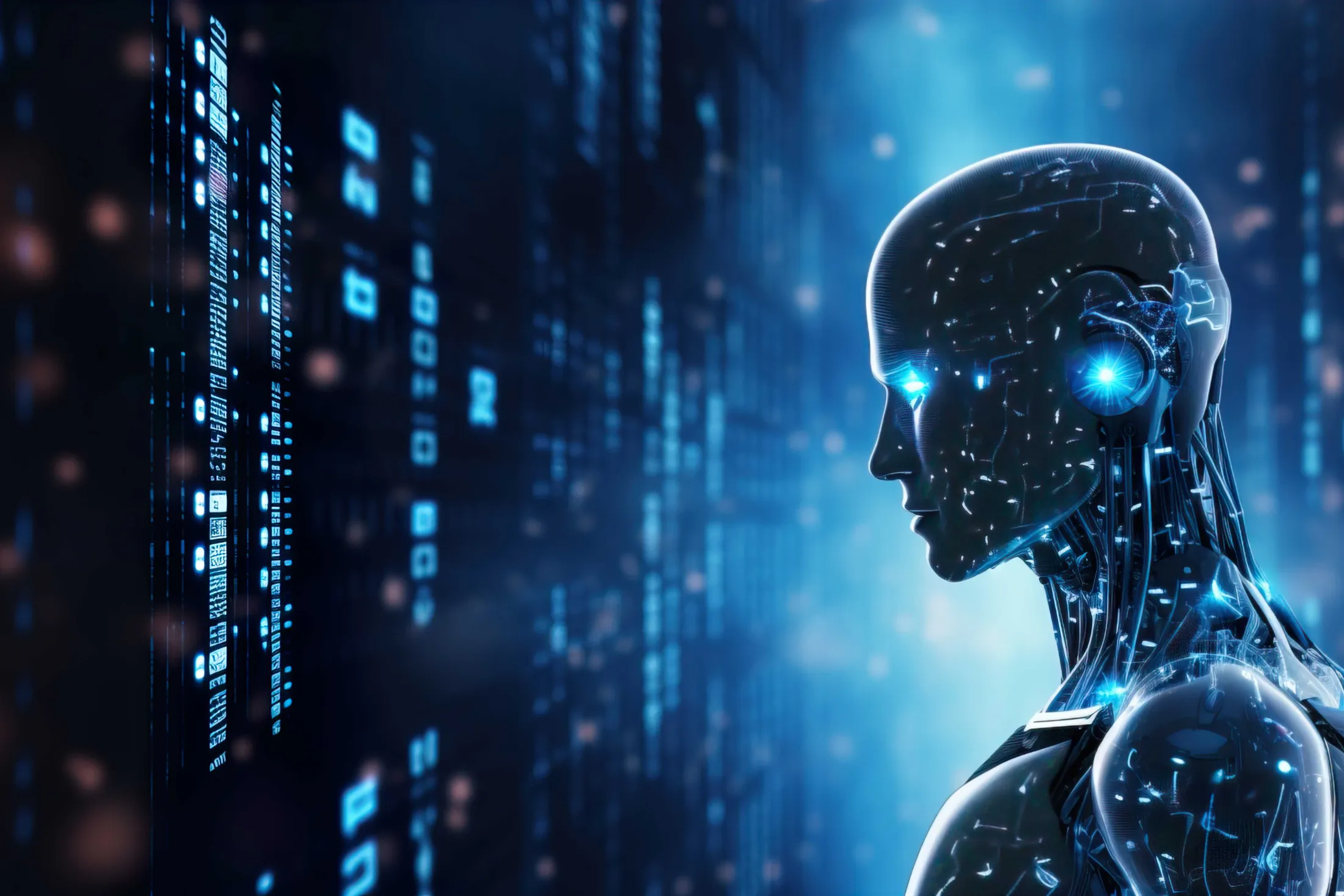
If there was one "buzzword" that dominated the week, it was Physical AI. NVIDIA, along with partners like Boston Dynamics and LG, showcased robots that are trained in virtual simulations (using the new Cosmos and GR00T models) to understand physics before they ever touch the ground.
Synthetic Training: These robots are trained on "synthetic data"—perfectly simulated environments where they can fail a million times in a second without breaking anything. Once they’ve mastered a task, the "brain" is downloaded into a physical machine.
Real-World Impact: We saw everything from Caterpillar’s AI-driven construction equipment to waddling humanoid robots that can now handle "human-level" reasoning in complex environments. This marks the transition from robots that follow a script to robots that actually "understand" the world they are moving through.
The biggest news out of CES 2026 was undoubtedly NVIDIA’s official launch of the Rubin platform, the successor to the already-dominant Blackwell architecture. Named after astronomer Vera Rubin, this platform is a radical "extreme co-design" of six different chips, including a new Vera CPU with 88 custom "Olympus" ARM cores and a Rubin GPU built on TSMC’s 3nm process.
The Details: Rubin is the first to utilize HBM4 memory, providing a staggering 22 TB/s of bandwidth. NVIDIA claims this will lead to a 10x reduction in the cost of generating AI "tokens," making massive-scale models significantly cheaper to run.
Why It Matters: Jensen Huang is positioning Rubin as the foundation for "Agentic AI" systems that don't just chat but can reason, plan, and execute multi-step tasks autonomously. This hardware is the engine that will likely power the next generation of autonomous digital workers.
Uber is making a high-stakes return to autonomous driving through a triple-threat partnership with Lucid Motors and Nuro. At CES, they unveiled a production-intent robotaxi based on the Lucid Gravity SUV. Unlike the utilitarian shuttles of the past, this is a premium experience designed to carry up to six passengers in high-end comfort.
The Features: The vehicle features a "Halo" LED strip on the roof that displays the rider’s initials for easy identification. Inside, passengers have full control via interactive screens to adjust climate, lighting, and music. Most interestingly, a real-time "visualization" screen shows passengers exactly what the car's 360-degree sensor suite is seeing, from pedestrians to traffic lights.
Next Steps: Autonomous on-road testing is already underway in the San Francisco Bay Area. If the final validation goes well, these vehicles will begin rolling out to the public later this year.
On January 6th, the UK government launched a massive Cyber Action Plan to safeguard essential public services. Backed by £210 million, the plan is a direct response to the increasing sophistication of AI-driven cyber threats that target critical infrastructure like healthcare, energy, and tax systems.
A New Watchdog: The centerpiece of the plan is a new Government Cyber Unit designed to oversee risk management across all departments. For the first time, essential suppliers (like water and data center providers) will be held to much stricter reporting standards and "minimum security" requirements.
The Economic Angle: The UK believes that by securing these systems and reducing the downtime caused by attacks, they can unlock nearly £45 billion in public sector productivity. It’s a clear sign that cybersecurity is no longer just "IT work"—it’s national economic policy.
The European Commission kicked off the year by opening a major "call for evidence" for its European Open Digital Ecosystem Strategy. The initiative aims to break the EU’s heavy reliance on non-European (mostly US-based) tech giants for cloud computing, AI, and hardware.
The Goal: The EU wants to leverage its massive community of open-source developers to build a "sovereign" tech stack. By funding open-source alternatives for critical sectors like automotive and manufacturing, the Commission hopes to increase "user agency" and transparency.
The Challenge: While 70-90% of global code is open-source, the economic value is currently captured by a few dominant players. This strategy, expected to lead to a formal communication in late Q1 2026, seeks to keep that value—and the data—within European borders.
If there was one "buzzword" that dominated the week, it was Physical AI. NVIDIA, along with partners like Boston Dynamics and LG, showcased robots that are trained in virtual simulations (using the new Cosmos and GR00T models) to understand physics before they ever touch the ground.
Synthetic Training: These robots are trained on "synthetic data"—perfectly simulated environments where they can fail a million times in a second without breaking anything. Once they’ve mastered a task, the "brain" is downloaded into a physical machine.
Real-World Impact: We saw everything from Caterpillar’s AI-driven construction equipment to waddling humanoid robots that can now handle "human-level" reasoning in complex environments. This marks the transition from robots that follow a script to robots that actually "understand" the world they are moving through.
Stay Connected: Follow NDIT Solutions on LinkedIn, for more insights and updates.
Need Expert IT Guidance? Our team of experienced consultants is here to help your business navigate the complex world of IT. Contact us today at info@nditsolutions.com or call 877-613-8787 to learn how we can support your technology needs.
See you next week for another round of essential IT news!


