
.webp)
Business Technology News Roundup: May 04, 2026
Analysis of Super Micro’s DLC server boom, Apple’s RCS beta for iOS 26.5, and the rise of autonomous agentic AI workflows in the US this week.
The transition from April to May has highlighted a shift from theoretical AI benchmarks to the gritty, physical infrastructure required to sustain them. While the headlines of earlier this year were dominated by chatbot "vibes," the industry is now obsessing over thermal management, data center square footage, and the regulatory frameworks that will govern autonomous digital agents. We are seeing the "Big Tech" players move from a posture of rapid experimentation to one of hardened deployment. This week, the conversation was less about what AI can say and more about where we are going to plug it in and how we keep it from overheating our power grids.
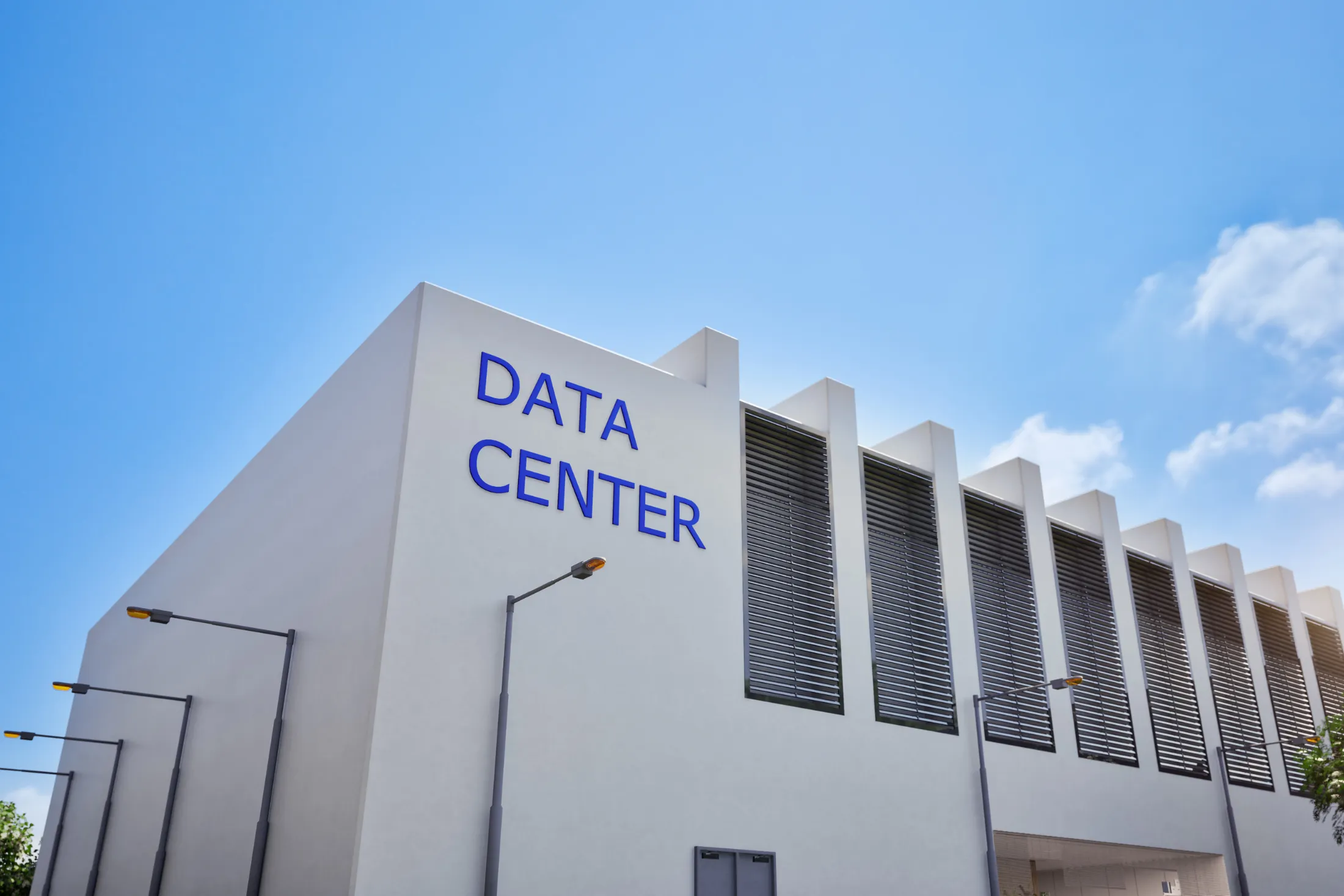
On April 27, Super Micro Computer (SMCI) officially opened its new 32.8-acre Data Center Building Block Solutions (DCBBS) campus in San Jose, marking its largest U.S. manufacturing expansion to date. This facility is specifically engineered to scale the production of Direct Liquid Cooling (DLC) technology, which has become a requirement for high-density NVIDIA Blackwell GPU racks. As hyperscalers demand more compute per square foot, SMCI is pivoting toward integrated rack solutions that can handle thermal loads exceeding 100kW per cabinet—levels that traditional air cooling simply cannot manage.
This move is a massive vote of confidence in the sustained demand for high-end AI hardware. Despite a volatile stock performance earlier this year, Super Micro is positioning itself as the indispensable middleman of the AI era. By localized manufacturing in Silicon Valley, they are drastically reducing the lead times for custom-configured AI clusters. For the industry, this signals that the bottleneck for AI isn't just chip production anymore; it’s the physical infrastructure and specialized cooling needed to keep those chips from melting under the load of next-generation training runs.
Apple entered the first week of May by launching the final beta phase of iOS 26.5, which includes the long-awaited end-to-end encrypted RCS (Rich Communication Services) for US carriers. While basic RCS support arrived last year, this version introduces a proprietary encryption bridge that allows for secure, high-resolution media sharing and read receipts between iPhone and Android users without falling back to the aging SMS protocol. Simultaneously, Apple released a preview of its Global Accessibility Awareness Day features, including Eye Tracking for iPad and a refined Personal Voice tool that uses on-device AI to recreate a user's voice in under 60 seconds.
For the average user, the RCS update is the final nail in the "green bubble" security gap. By standardizing encryption across platforms, Apple is subtly acknowledging that the walled-garden approach to messaging is no longer tenable under global regulatory pressure. Meanwhile, the aggressive push into AI-driven accessibility tools shows Apple’s strategy: while competitors focus on cloud-based LLMs, Apple is doubling down on "Small Language Models" that run locally on the A19 Pro chip. This ensures that features like Personal Voice remain private, setting a high bar for the "Privacy-First AI" branding they plan to showcase at WWDC next month.
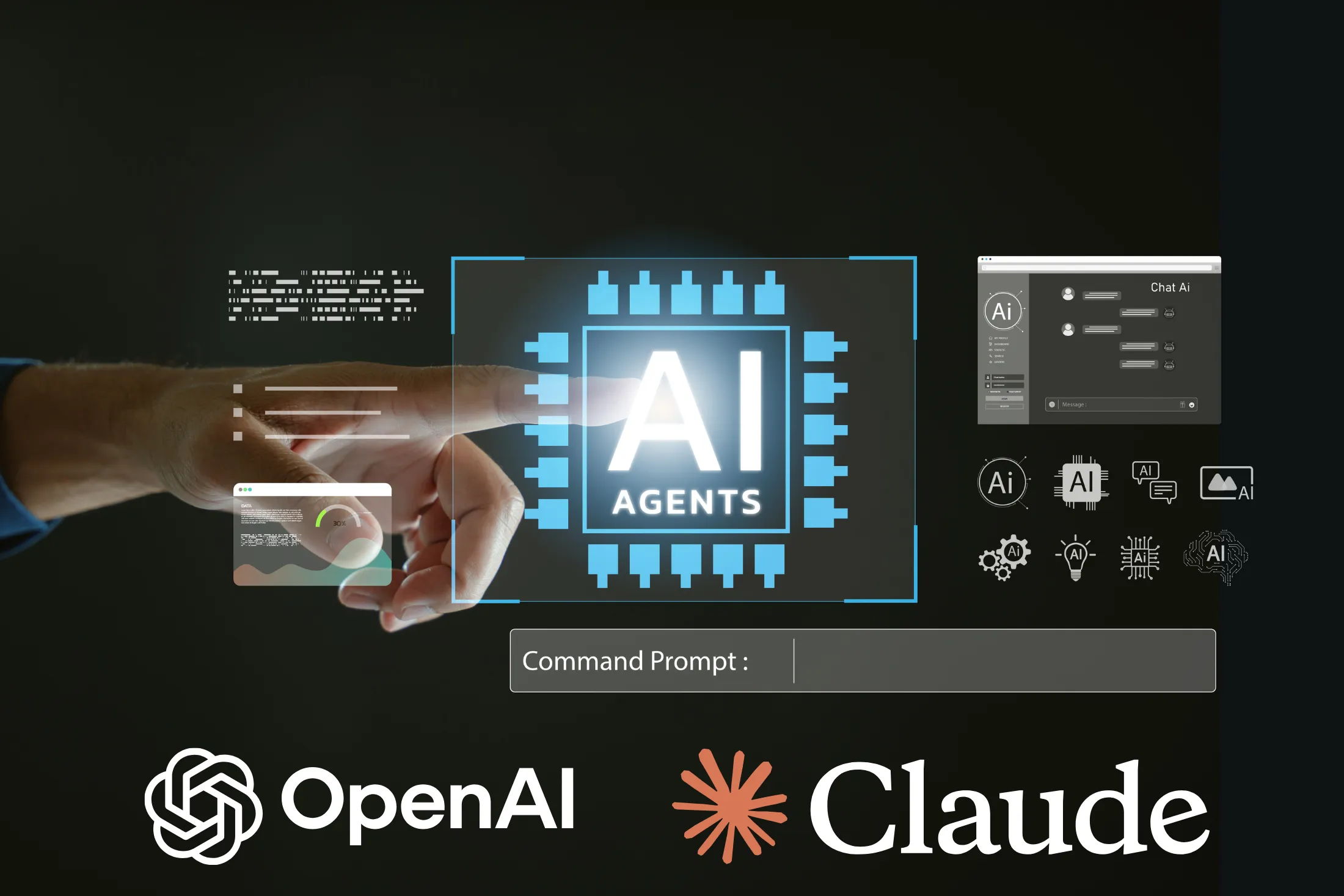
This week saw a significant shift in how US developers are deploying models like GPT-5.4 and Claude 4.6, moving away from single-prompt interactions toward "Agentic" systems. Unlike traditional chatbots, these agents use frameworks like NeMoCLAW to break down complex goals—such as "research this market and draft a budget"—into dozens of autonomous sub-tasks. A major breakthrough reported this week involves "self-verification" loops, where the AI generates its own test cases to check its work before presenting it to the user, significantly reducing the "hallucination rate" in multi-step coding and financial tasks.
This is the beginning of the "post-prompt" era. We are moving from a world where you talk to an AI to a world where you manage a fleet of digital employees. For businesses, this changes the value proposition of AI from a search tool to a productivity engine that can operate in the background. However, it also raises new security concerns; as these agents gain the ability to execute code and access private APIs, the risk of "autonomous error" grows. The industry is now racing to build "guardrail agents"—smaller, specialized models whose only job is to monitor and shut down larger agents that go off-track.
Following the initial rollout of the National AI Legislative Framework, the administration spent this week clarifying its stance on federal preemption of state laws. The White House is moving to bar individual states from passing their own AI safety regulations, arguing that a patchwork of 50 different sets of rules would cripple American innovation against global competitors. The refined framework also pushes for "regulatory sandboxes," allowing US startups to test high-risk AI applications in a controlled environment under the supervision of the SEC or FTC without the immediate threat of heavy fines.
This is a high-stakes play to keep the US as the global hub for AI development. By stripping states of their power to regulate "AI development" while leaving them "consumer protection" powers, the federal government is trying to walk a fine line. For tech companies, this provides the legal certainty needed to sign 10-year data center leases and multi-billion dollar compute deals. However, it also sets up a constitutional showdown with states like California that have already moved to implement their own strict safety standards, potentially delaying the rollout of new features as the legal battle matures.

In a breakthrough that bridges AI and climate tech, Google DeepMind unveiled GOFLOW this week, an AI-driven method that transforms standard weather satellite imagery into high-resolution maps of ocean currents. Previously, certain fast-moving, sub-surface currents were invisible to traditional sensors. GOFLOW uses temporal pattern recognition to track how temperature shifts move across the water's surface over time, creating a "live" digital twin of the ocean's circulatory system. This model is being made available to US research institutions to improve hurricane path prediction and carbon sequestration tracking.
This project demonstrates the transition of AI from a "language specialist" to a "physics specialist." By applying the same transformer architecture that powers Gemini to satellite data, Google is solving problems that have baffled oceanographers for decades. For the broader market, this is a signal that the next big "gold rush" in AI isn't in social media or advertising, but in Scientific AI. We are likely to see a surge in venture capital toward "Physical AI" startups that use these types of models to optimize everything from aircraft design to global shipping routes, turning raw data into actionable physical efficiency.
On April 27, Super Micro Computer (SMCI) officially opened its new 32.8-acre Data Center Building Block Solutions (DCBBS) campus in San Jose, marking its largest U.S. manufacturing expansion to date. This facility is specifically engineered to scale the production of Direct Liquid Cooling (DLC) technology, which has become a requirement for high-density NVIDIA Blackwell GPU racks. As hyperscalers demand more compute per square foot, SMCI is pivoting toward integrated rack solutions that can handle thermal loads exceeding 100kW per cabinet—levels that traditional air cooling simply cannot manage.
This move is a massive vote of confidence in the sustained demand for high-end AI hardware. Despite a volatile stock performance earlier this year, Super Micro is positioning itself as the indispensable middleman of the AI era. By localized manufacturing in Silicon Valley, they are drastically reducing the lead times for custom-configured AI clusters. For the industry, this signals that the bottleneck for AI isn't just chip production anymore; it’s the physical infrastructure and specialized cooling needed to keep those chips from melting under the load of next-generation training runs.
Apple entered the first week of May by launching the final beta phase of iOS 26.5, which includes the long-awaited end-to-end encrypted RCS (Rich Communication Services) for US carriers. While basic RCS support arrived last year, this version introduces a proprietary encryption bridge that allows for secure, high-resolution media sharing and read receipts between iPhone and Android users without falling back to the aging SMS protocol. Simultaneously, Apple released a preview of its Global Accessibility Awareness Day features, including Eye Tracking for iPad and a refined Personal Voice tool that uses on-device AI to recreate a user's voice in under 60 seconds.
For the average user, the RCS update is the final nail in the "green bubble" security gap. By standardizing encryption across platforms, Apple is subtly acknowledging that the walled-garden approach to messaging is no longer tenable under global regulatory pressure. Meanwhile, the aggressive push into AI-driven accessibility tools shows Apple’s strategy: while competitors focus on cloud-based LLMs, Apple is doubling down on "Small Language Models" that run locally on the A19 Pro chip. This ensures that features like Personal Voice remain private, setting a high bar for the "Privacy-First AI" branding they plan to showcase at WWDC next month.
This week saw a significant shift in how US developers are deploying models like GPT-5.4 and Claude 4.6, moving away from single-prompt interactions toward "Agentic" systems. Unlike traditional chatbots, these agents use frameworks like NeMoCLAW to break down complex goals—such as "research this market and draft a budget"—into dozens of autonomous sub-tasks. A major breakthrough reported this week involves "self-verification" loops, where the AI generates its own test cases to check its work before presenting it to the user, significantly reducing the "hallucination rate" in multi-step coding and financial tasks.
This is the beginning of the "post-prompt" era. We are moving from a world where you talk to an AI to a world where you manage a fleet of digital employees. For businesses, this changes the value proposition of AI from a search tool to a productivity engine that can operate in the background. However, it also raises new security concerns; as these agents gain the ability to execute code and access private APIs, the risk of "autonomous error" grows. The industry is now racing to build "guardrail agents"—smaller, specialized models whose only job is to monitor and shut down larger agents that go off-track.
Following the initial rollout of the National AI Legislative Framework, the administration spent this week clarifying its stance on federal preemption of state laws. The White House is moving to bar individual states from passing their own AI safety regulations, arguing that a patchwork of 50 different sets of rules would cripple American innovation against global competitors. The refined framework also pushes for "regulatory sandboxes," allowing US startups to test high-risk AI applications in a controlled environment under the supervision of the SEC or FTC without the immediate threat of heavy fines.
This is a high-stakes play to keep the US as the global hub for AI development. By stripping states of their power to regulate "AI development" while leaving them "consumer protection" powers, the federal government is trying to walk a fine line. For tech companies, this provides the legal certainty needed to sign 10-year data center leases and multi-billion dollar compute deals. However, it also sets up a constitutional showdown with states like California that have already moved to implement their own strict safety standards, potentially delaying the rollout of new features as the legal battle matures.
In a breakthrough that bridges AI and climate tech, Google DeepMind unveiled GOFLOW this week, an AI-driven method that transforms standard weather satellite imagery into high-resolution maps of ocean currents. Previously, certain fast-moving, sub-surface currents were invisible to traditional sensors. GOFLOW uses temporal pattern recognition to track how temperature shifts move across the water's surface over time, creating a "live" digital twin of the ocean's circulatory system. This model is being made available to US research institutions to improve hurricane path prediction and carbon sequestration tracking.
This project demonstrates the transition of AI from a "language specialist" to a "physics specialist." By applying the same transformer architecture that powers Gemini to satellite data, Google is solving problems that have baffled oceanographers for decades. For the broader market, this is a signal that the next big "gold rush" in AI isn't in social media or advertising, but in Scientific AI. We are likely to see a surge in venture capital toward "Physical AI" startups that use these types of models to optimize everything from aircraft design to global shipping routes, turning raw data into actionable physical efficiency.
Stay Connected: Follow NDIT Solutions on LinkedIn, for more insights and updates.
Need Expert IT Guidance? Our team of experienced consultants is here to help your business navigate the complex world of IT. Contact us today at info@nditsolutions.com or call 877-613-8787 to learn how we can support your technology needs.
See you next week for another round of essential IT news!


