
.webp)
Business Technology News Roundup: May 11, 2026
A deep dive into the top 5 tech stories from May 4-10, 2026, including the Anthropic-SpaceX deal, OpenAI’s courtroom battles, and new AI regulations.
The tech sector didn’t just move this week; it accelerated. We witnessed a fascinating shift in alliances as former rivals began to consolidate power, while the federal government finally started pulling the levers of oversight on frontier AI models. Between high-stakes legal testimony that peeled back the curtain on the industry's most secretive boardrooms and massive hardware deals that signal a new era of "co-opetition," the narrative of 2026 is becoming clear: compute is the new currency, and transparency is no longer optional. Here is a breakdown of the five most impactful stories from the past week.
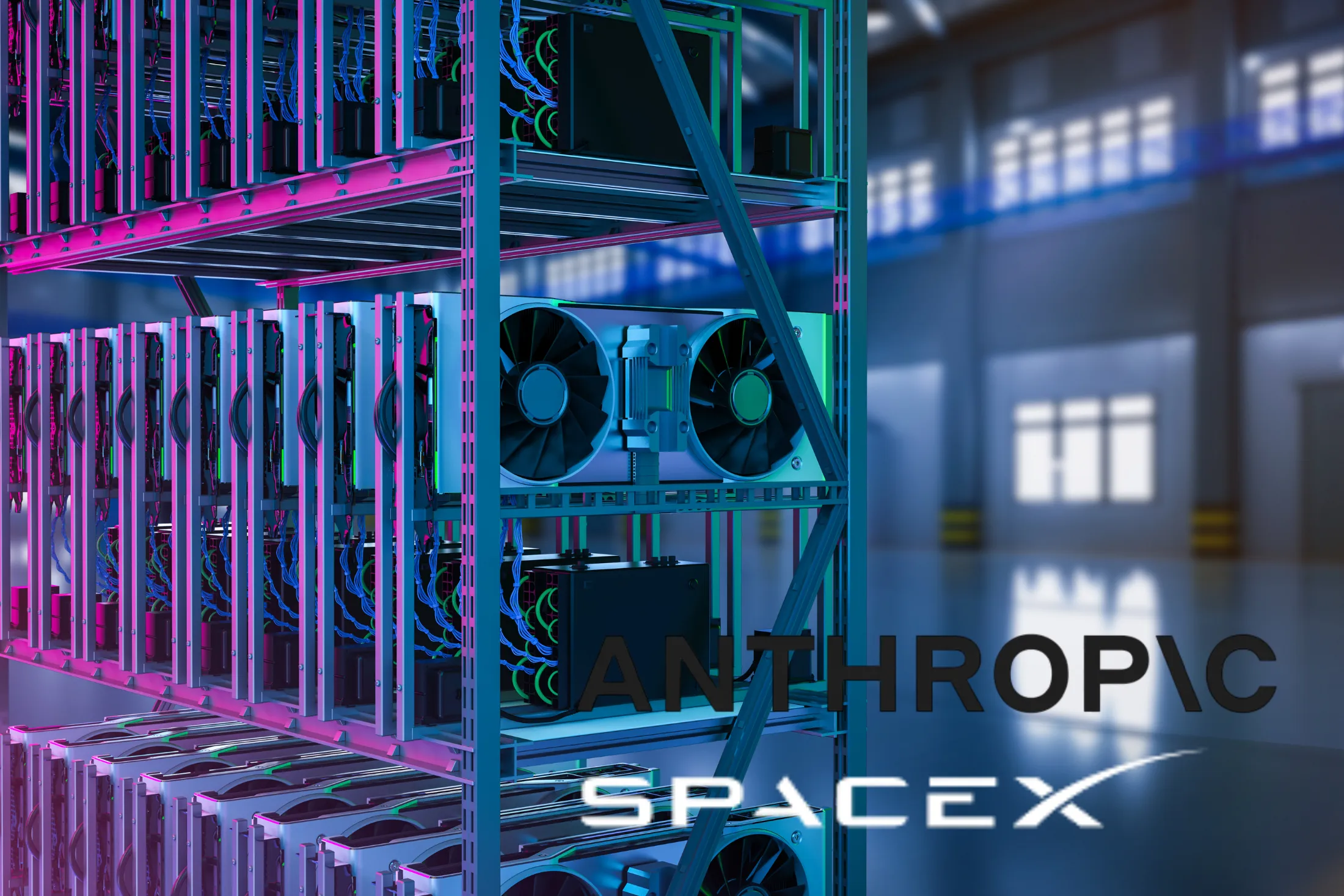
In a move that surprised many industry observers, Anthropic secured a deal to lease the entirety of the Colossus 1 supercluster from Elon Musk’s SpaceX and xAI. This massive infrastructure play gives Anthropic exclusive access to over 220,000 Nvidia GPUs powered by a 300-megawatt facility in Tennessee. While xAI will retain its newer Colossus 2 facility for its own internal development, the deal represents a significant peace treaty between Musk and a primary competitor of OpenAI.
This partnership marks a fundamental shift in the AI market, moving toward a "co-opetition" model where infrastructure sharing outweighs ideological rivalry. For Anthropic, this isn't just about raw power; it is about survival in a market where scaling laws still dictate performance. By securing this volume of silicon, Anthropic is positioning itself to challenge the dominance of GPT-series models directly. However, the deal comes with a unique risk: Musk has reserved the right to "reclaim" the compute if the AI is deemed harmful, essentially placing a kill-switch on Anthropic’s supply chain.
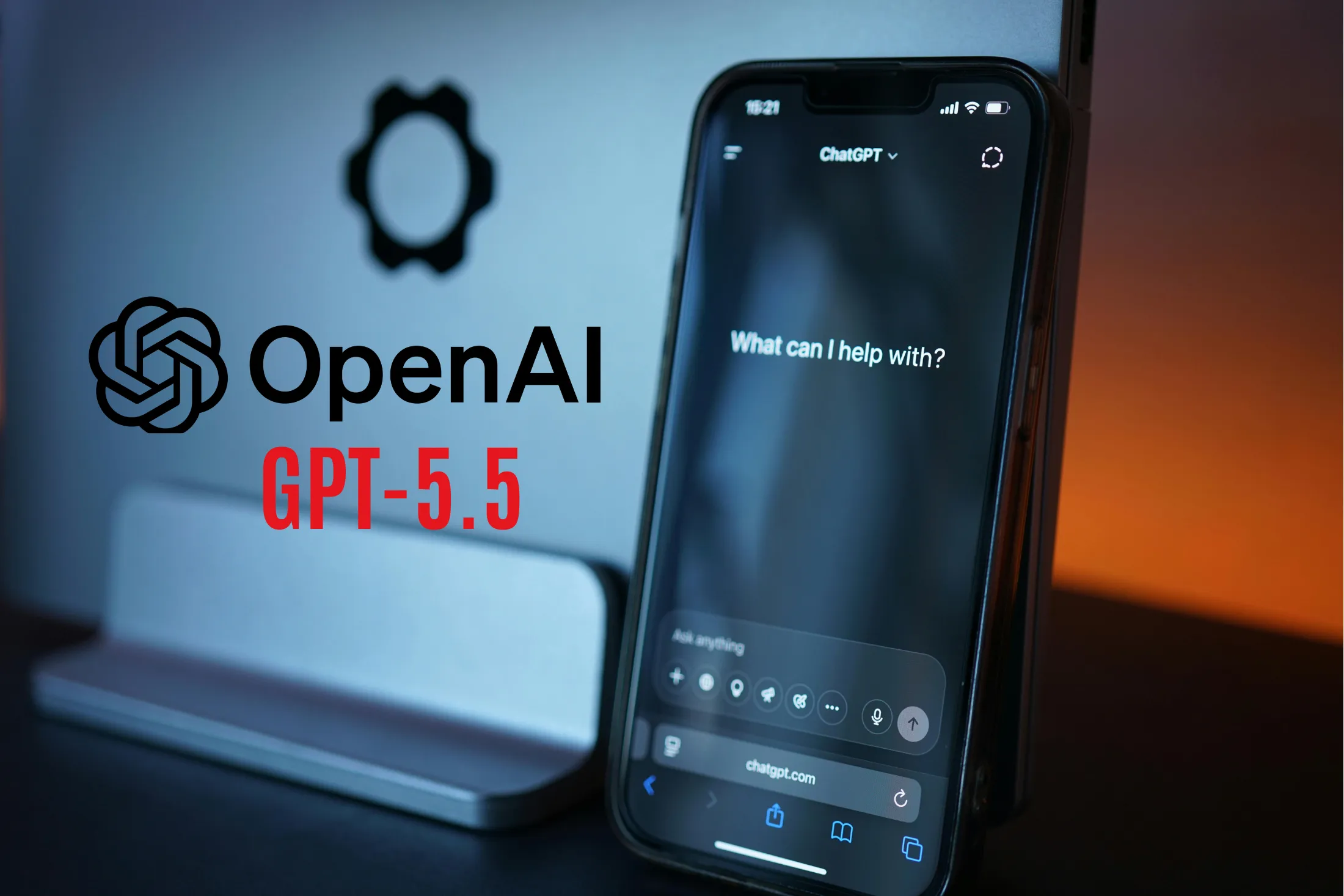
It was a week of extreme highs and lows for OpenAI. In a Manhattan courtroom, the ongoing legal battle with Elon Musk reached a fever pitch as Mira Murati and other executives testified about the company's internal culture and safety protocols. Despite the legal distractions and reports that the company’s CFO has advised delaying an IPO until 2027, OpenAI officially rolled out GPT-5.5 Instant. This new version focuses heavily on "reasoning density," claiming a 40% reduction in hallucinations for mathematical and technical queries compared to the previous iteration.
The launch of GPT-5.5 Instant signals that OpenAI is prioritizing reliability over raw creative "vibes." By shipping a more grounded model amidst a legal firestorm, the company is attempting to prove to enterprise clients that its technology is ready for high-stakes deployment in finance and healthcare. The courtroom revelations, however, have tarnished the "non-profit spirit" the company once championed. Investors are now watching closely to see if the internal friction will slow down the ambitious "AI Smartphone" hardware project currently being developed with MediaTek.
The Trump administration began formalizing an executive order this week that would create a dedicated federal working group to vet advanced AI models before their public release. In a parallel move, Google, Microsoft, and xAI reached a landmark agreement with the Department of Commerce to share early versions of their frontier models with the Center for AI Standards and Innovation. This center will perform "red-team" evaluations to ensure models don't possess dangerous autonomous capabilities before they hit the mass market.
This is the most aggressive step toward federal AI oversight we have seen to date. It effectively ends the era of "permissionless innovation" for the largest players in the industry. While some critics argue this could slow down the pace of American development relative to China, others see it as a necessary guardrail to prevent the accidental release of models with cyber-offensive capabilities. For the average user, this means the AI tools of tomorrow will likely come with a "government-inspected" seal of approval, potentially increasing public trust while raising the barrier to entry for smaller startups.
On Monday, Apple agreed to a $250 million settlement to resolve class-action claims that it misled consumers regarding the initial capabilities of Apple Intelligence. The lawsuit alleged that the marketing for the iPhone 15 and 16 Pro lines promised "agentic" features, such as autonomous Siri task execution, that did not actually arrive until much later through software patches. As part of the settlement, Apple will also be required to provide clearer disclosures regarding "beta" features in its future hardware keynotes.
This settlement is a reality check for the entire hardware industry. For years, tech giants have sold "futures", marketing devices based on software updates that haven't been finalized yet. By forcing Apple to pay out, the courts are signaling that AI performance must be tangible at the point of sale. This will likely change how we see the M5 chip and future iPhone launches, as companies will be more hesitant to over-promise on AI capabilities that are still months away from a stable release.

In response to an escalation of cyberattacks targeting US water and energy sectors, the Cybersecurity and Infrastructure Security Agency (CISA) officially launched CI Fortify. This program is a direct response to a joint advisory noting that hackers are increasingly exploiting internet-exposed operational technology (OT). The initiative provides automated, AI-driven "edge sensors" to local government systems to detect unusual network activity and prevent the manipulation of industrial control interfaces.
The significance of CI Fortify lies in its focus on physical infrastructure. We are seeing a pivot in cyber warfare where the goal is no longer just data theft, but physical disruption. By deploying AI-enabled penetration testing and automated response tools to "soft targets" like local water treatment plants, the US is attempting to build a more resilient floor for national security. It’s a clear admission that humans alone can no longer monitor the sheer volume of attacks hitting our electrical and utility grids every hour.
In a move that surprised many industry observers, Anthropic secured a deal to lease the entirety of the Colossus 1 supercluster from Elon Musk’s SpaceX and xAI. This massive infrastructure play gives Anthropic exclusive access to over 220,000 Nvidia GPUs powered by a 300-megawatt facility in Tennessee. While xAI will retain its newer Colossus 2 facility for its own internal development, the deal represents a significant peace treaty between Musk and a primary competitor of OpenAI.
This partnership marks a fundamental shift in the AI market, moving toward a "co-opetition" model where infrastructure sharing outweighs ideological rivalry. For Anthropic, this isn't just about raw power; it is about survival in a market where scaling laws still dictate performance. By securing this volume of silicon, Anthropic is positioning itself to challenge the dominance of GPT-series models directly. However, the deal comes with a unique risk: Musk has reserved the right to "reclaim" the compute if the AI is deemed harmful, essentially placing a kill-switch on Anthropic’s supply chain.
It was a week of extreme highs and lows for OpenAI. In a Manhattan courtroom, the ongoing legal battle with Elon Musk reached a fever pitch as Mira Murati and other executives testified about the company's internal culture and safety protocols. Despite the legal distractions and reports that the company’s CFO has advised delaying an IPO until 2027, OpenAI officially rolled out GPT-5.5 Instant. This new version focuses heavily on "reasoning density," claiming a 40% reduction in hallucinations for mathematical and technical queries compared to the previous iteration.
The launch of GPT-5.5 Instant signals that OpenAI is prioritizing reliability over raw creative "vibes." By shipping a more grounded model amidst a legal firestorm, the company is attempting to prove to enterprise clients that its technology is ready for high-stakes deployment in finance and healthcare. The courtroom revelations, however, have tarnished the "non-profit spirit" the company once championed. Investors are now watching closely to see if the internal friction will slow down the ambitious "AI Smartphone" hardware project currently being developed with MediaTek.
The Trump administration began formalizing an executive order this week that would create a dedicated federal working group to vet advanced AI models before their public release. In a parallel move, Google, Microsoft, and xAI reached a landmark agreement with the Department of Commerce to share early versions of their frontier models with the Center for AI Standards and Innovation. This center will perform "red-team" evaluations to ensure models don't possess dangerous autonomous capabilities before they hit the mass market.
This is the most aggressive step toward federal AI oversight we have seen to date. It effectively ends the era of "permissionless innovation" for the largest players in the industry. While some critics argue this could slow down the pace of American development relative to China, others see it as a necessary guardrail to prevent the accidental release of models with cyber-offensive capabilities. For the average user, this means the AI tools of tomorrow will likely come with a "government-inspected" seal of approval, potentially increasing public trust while raising the barrier to entry for smaller startups.
On Monday, Apple agreed to a $250 million settlement to resolve class-action claims that it misled consumers regarding the initial capabilities of Apple Intelligence. The lawsuit alleged that the marketing for the iPhone 15 and 16 Pro lines promised "agentic" features, such as autonomous Siri task execution, that did not actually arrive until much later through software patches. As part of the settlement, Apple will also be required to provide clearer disclosures regarding "beta" features in its future hardware keynotes.
This settlement is a reality check for the entire hardware industry. For years, tech giants have sold "futures", marketing devices based on software updates that haven't been finalized yet. By forcing Apple to pay out, the courts are signaling that AI performance must be tangible at the point of sale. This will likely change how we see the M5 chip and future iPhone launches, as companies will be more hesitant to over-promise on AI capabilities that are still months away from a stable release.
In response to an escalation of cyberattacks targeting US water and energy sectors, the Cybersecurity and Infrastructure Security Agency (CISA) officially launched CI Fortify. This program is a direct response to a joint advisory noting that hackers are increasingly exploiting internet-exposed operational technology (OT). The initiative provides automated, AI-driven "edge sensors" to local government systems to detect unusual network activity and prevent the manipulation of industrial control interfaces.
The significance of CI Fortify lies in its focus on physical infrastructure. We are seeing a pivot in cyber warfare where the goal is no longer just data theft, but physical disruption. By deploying AI-enabled penetration testing and automated response tools to "soft targets" like local water treatment plants, the US is attempting to build a more resilient floor for national security. It’s a clear admission that humans alone can no longer monitor the sheer volume of attacks hitting our electrical and utility grids every hour.
Stay Connected: Follow NDIT Solutions on LinkedIn, for more insights and updates.
Need Expert IT Guidance? Our team of experienced consultants is here to help your business navigate the complex world of IT. Contact us today at info@nditsolutions.com or call 877-613-8787 to learn how we can support your technology needs.
See you next week for another round of essential IT news!


